The Unseen Side of Fashion Design: An Interview with Hyejin Han
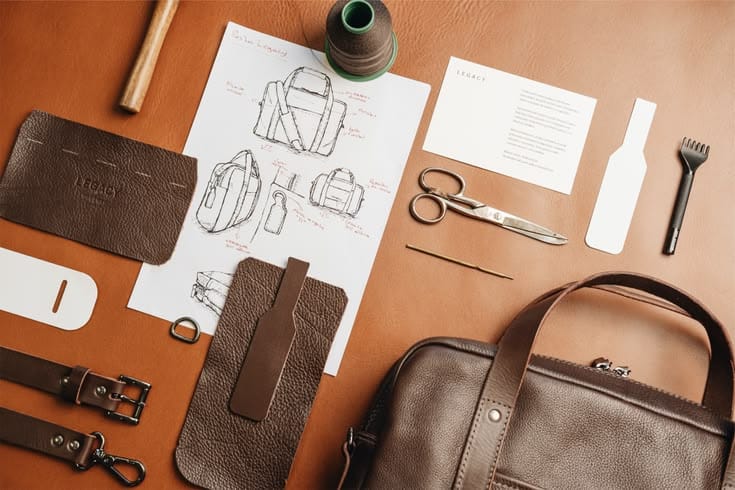
Ms. Hyejin Han, an accessory and bag designer at OSTKAKA, has been in this industry for almost two decades now. While I initially expected the work of a designer to be an entirely creative outlet, my conversation with her revealed a reality that is more calculated and complicated than it seems. Now taking on the job of team leader and director, her role involves less hands-on design and more overseeing things—from market research and communication with other departments to making sure the team works according to a tight time schedule.
Choosing a Path and Finding Purpose
Interestingly, Ms. Han did not specifically "choose" this route from the start; she applied to various companies after majoring in industrial design and happened to be accepted by a fashion company. She believes that while initial interest is a catalyst, true passion is often "uncovered when you devote your time and energy to it and ‘dig deeper,’" which is why she has remained in this industry for so long.
Initially, she was hesitant about fashion because its focus on physical beauty and small details to please the eye seemed to clash with her Christian values. Bags, however, served as a middle ground. While the external shape is important, the main purpose is the internal part, which becomes "someone’s carry-around personal space" that speaks for their identity.
This internal conflict peaked when her mother passed away, as obsessing over external beauty felt "pointless when human life was so fickle and therefore its beauty also volatile." However, she ultimately decided to continue because she realized that God is the one who created all beautiful things, and therefore, physical beauty must have value because it brings comfort, peace, and joy to people.
Now, she views her career through the lens of a calling, aiming to bring the characteristics of God to her leadership. She recalled how she rather boldly cited Romans 8:28 when applying to her current company, sharing her hope to bring "harmony and effective communication" to her team. Making harmonized and unified judgements is crucial in fashion because it maintains a consistent brand identity and speeds up decision-making in an industry that moves quickly with tight seasonal calendars. Yet the balance is extremely difficult to achieve because fashion combines artistic creativity with business objectives, so stakeholders may have competing priorities, and because physical beauty and aesthetics are such subjective ideas.
Finding this equilibrium is a process; Ms. Hyejin shared how she tried being purely "people-oriented and compassionate" one year, only to realize it was delaying the work process, then "work-oriented and strict" the next (which also didn’t work out for her),, and is now in the process of finding a balance.
The Reality of the "Creative" Outlet
Our discussion also touched on how the work is not as freeing as one might expect. Design is based on research analysis of trends and previous performance rather than just creativity. Sometimes a designer may want to try something unique, but if it is not approved for production, they must accept that individual subjective opinions are less valued. The most rewarding moments come when an experimental design that is "solely hers" is reinforced by an enthusiastic response from customers.
Reflecting on our conversation, I realized that while we often chase a career that seems freeing and satisfactory, the reality is often more calculated and complicated than it seems. Ms. Hyejin’s journey suggests that a certain level of long-lasting passion and motivation can only be uncovered when you devote your time and energy to it to ‘dig deeper’ and seek meaning in what you do.